Basement waterproofing Omaha: Expert Advice for Lasting Results
Wiki Article
Kinds of Waterproofing: Exploring the Different Methods and Their Applications
Waterproofing is an important facet of building and upkeep. It shields structures from the detrimental impacts of water damages. There are a number of approaches readily available, each with its distinct applications and benefits. From membrane systems to cementitious solutions, recognizing these options is important for effective implementation. The option of waterproofing technique can greatly affect durability and long life. Exploring these numerous strategies discloses their unique benefits and prospective obstacles, motivating additional factor to consider of perfect services.Membrane Waterproofing Solutions
Membrane waterproofing systems function as a critical barrier versus water breach in different frameworks. These systems normally contain thin sheets made from materials like rubber, thermoplastic, or asphalt, which are used to surfaces to stop wetness penetration. They can be mounted above or below grade and are particularly reliable in locations susceptible to high water exposure, such as basements, roof coverings, and foundations.The setup procedure includes cleaning up the substrate, using adhesives or primers, and specifically fitting the membrane to ensure total protection. Membrane systems can be either totally stuck, mechanically affixed, or laid loose, relying on the certain demands of the project. They use longevity and versatility, accommodating structural activities without compromising their waterproofing capabilities. Additionally, these systems can be strengthened with extra layers for boosted protection. Inevitably, membrane waterproofing systems are essential for protecting frameworks versus water damages and preserving lasting integrity.Liquid-Applied Waterproofing Coatings
Liquid-applied waterproofing layers offer a functional solution for protecting surface areas from water seepage - Landscape drainage Omaha. These coverings contain fluid materials that, when applied, create a smooth, adaptable membrane layer. Their flexibility permits application on different substrates, including concrete, steel, and wood. The coverings can be utilized in diverse environments, from property to industrial settings, making them suitable for roofings, foundations, and below-grade structures.One substantial benefit of liquid-applied layers is their capability to comply with uneven forms and pass through splits, developing a durable obstacle against moisture. They typically exhibit outstanding adhesion buildings and resistance to UV radiation, making certain long life and toughness. Furthermore, the application procedure is generally uncomplicated, enabling for quick installation and lowered labor expenses. This method additionally reduces the risk of water merging, as the constant layer efficiently directs water far from prone locations. Generally, liquid-applied waterproofing coatings are an efficient choice for extensive water protectionCementitious Waterproofing Solutions
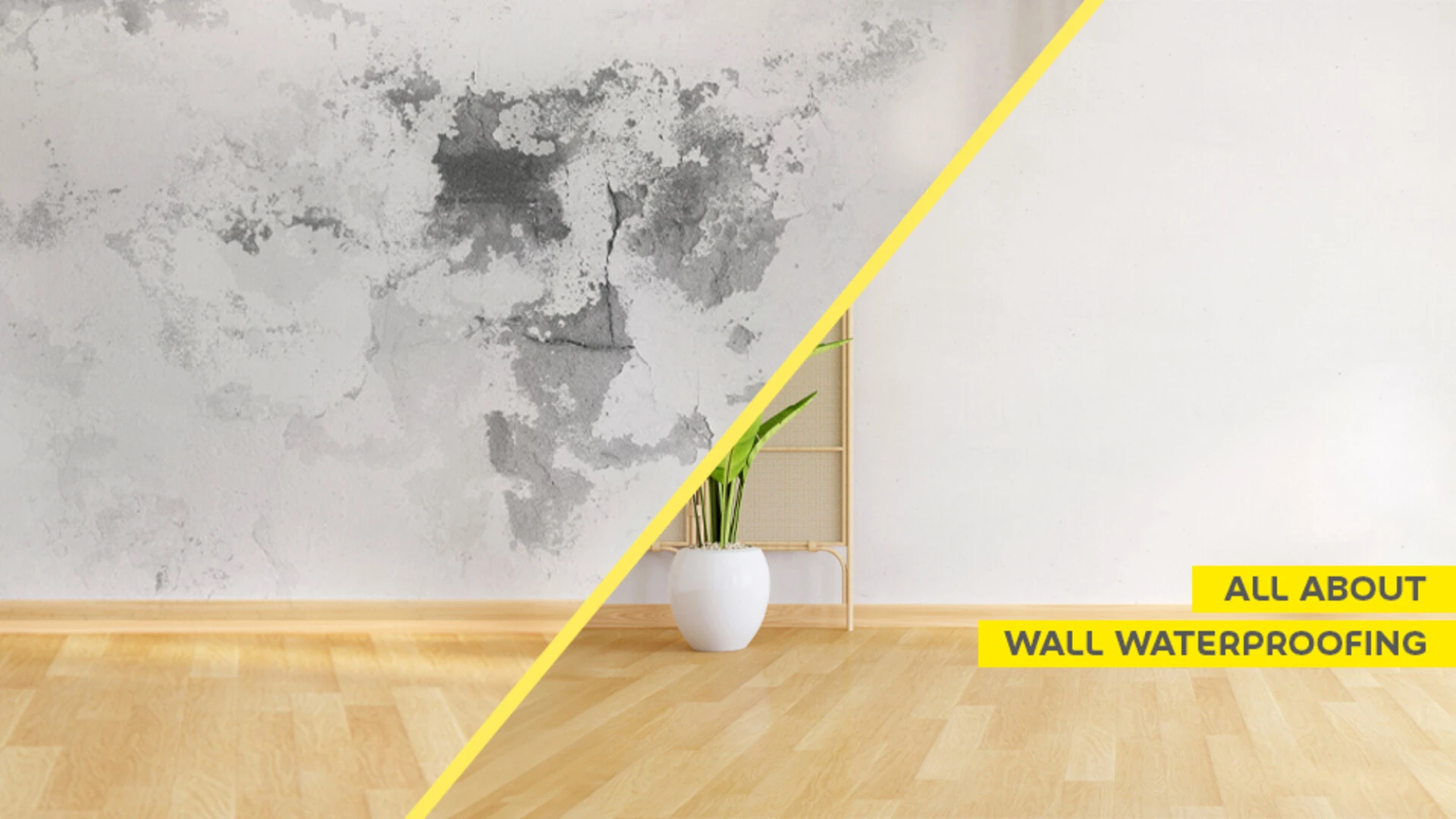
Cementitious waterproofing services use a robust choice for waterproofing concrete shower floor frameworks needing trusted dampness defense. These systems largely use a mix of concrete, sand, and chemical ingredients to create a waterproof barrier. They are commonly put on surface areas such as concrete wall surfaces, foundations, and floors, offering a resilient, durable protection versus water intrusion.One of the vital advantages of cementitious waterproofing is its simplicity of application; it can be applied utilizing a brush, roller, or spray, making it appropriate for numerous job dimensions. Furthermore, this approach is compatible with numerous surfaces and can typically be used along with various other waterproofing techniques.Cementitious solutions are especially efficient in environments where water direct exposure is a worry, such as basements or below-grade frameworks. Their excellent bond buildings guarantee that they bond well with substrates, giving a solid and nonporous layer versus my blog wetness infiltration.
Bentonite Waterproofing
Bentonite waterproofing is an extremely reliable method that makes use of sodium bentonite clay to create a natural barrier against water. This technique manipulates the unique residential properties of bentonite, which expands upon call with water, securing any type of prospective leaks and preventing moisture seepage. It is frequently used in different applications, including foundation wall surfaces, passages, and keeping walls, where water resistance is essential.Bentonite can be applied in several forms, such as panels or blankets, giving convenience in setup. Its capability to self-seal makes it an eye-catching alternative for locations subject to moving soil or ever-changing water degrees. Furthermore, bentonite waterproofing is eco-friendly, as it is an all-natural product that does not introduce dangerous chemicals into the surroundings.Water Drainage and Outside Waterproofing Systems
Effective waterproofing frequently includes a combination of approaches, consisting of water drainage and exterior systems. Drain systems, such as French drains pipes and sump pumps, are made to reroute water far from frameworks, decreasing hydrostatic pressure against foundations. These systems are necessary in avoiding water accumulation that can lead to architectural damage and mold growth.External waterproofing, on the various other hand, entails applying protective obstacles to the building's exterior. Methods such as the setup of water check my site resistant membranes, layers, or sealers can assist avoid water seepage. This technique not only secures the structure yet likewise enhances the overall longevity of the structure.Together, water drainage and outside waterproofing systems develop an extensive solution to manage water successfully. By implementing these methods, building proprietors can safeguard their investments against the harmful results of wetness, guaranteeing long-term security and safety for their structures.Frequently Asked Concerns
Exactly how Do I Select the Right Waterproofing Approach for My Job?
Choosing the right waterproofing method depends upon elements such as task type, ecological problems, budget plan, and desired long life. Examining these aspects permits notified choices customized to certain needs and demands.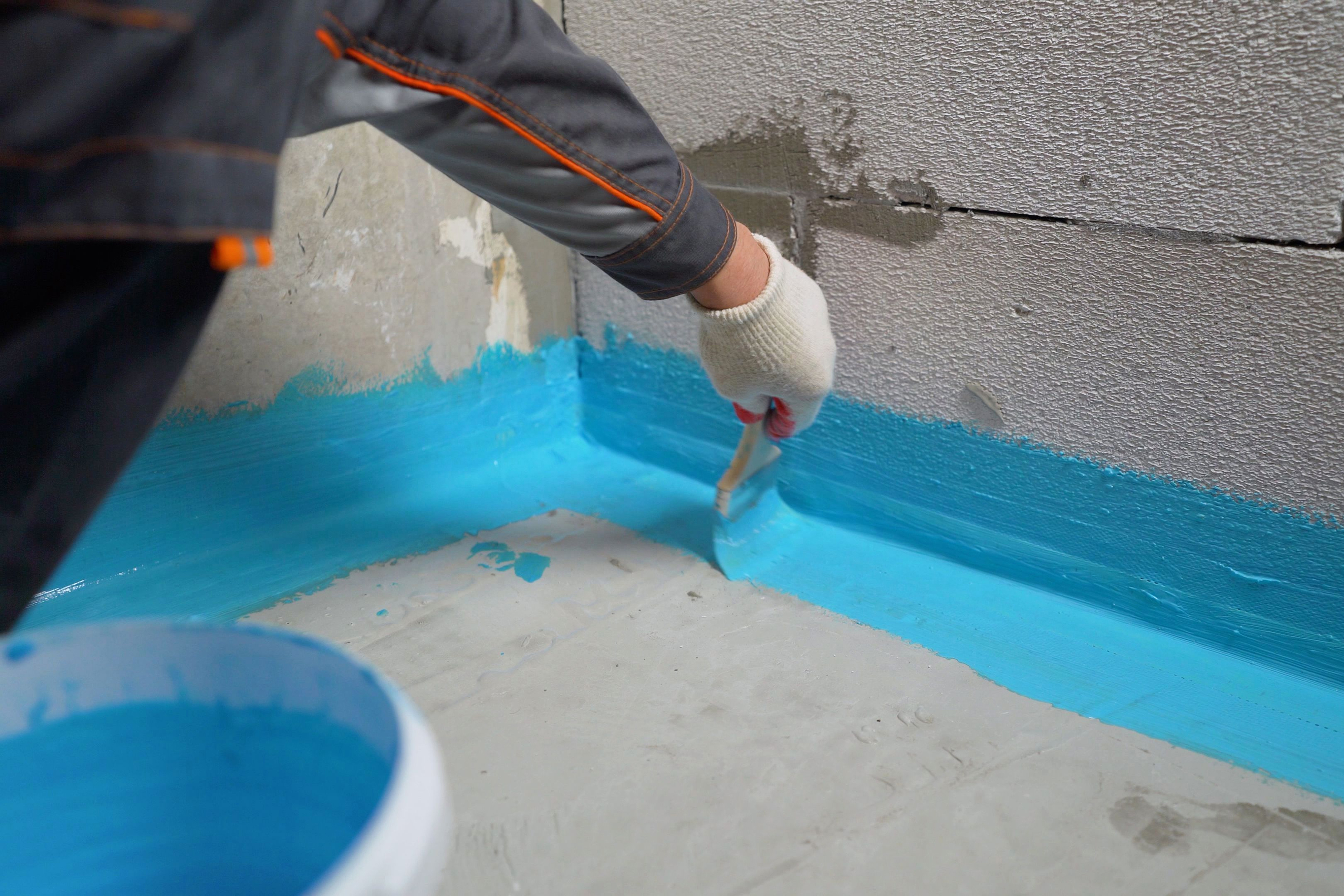
Can Waterproofing Be Applied in Winter Conditions?
Waterproofing can be applied in winter problems, however it requires certain materials and techniques. Cold temperature levels might affect curing times and bond, necessitating careful selection of products developed for low-temperature application.
What Are the Typical Indicators of Waterproofing Failing?
Common signs of waterproofing failing consist of noticeable water stains, peeling paint, damp smells, mold growth, and cracks in wall surfaces or structures. Water Solutions Omaha. These indicators suggest that moisture is passing through the barrier, compromising its performanceJust How Long Does Waterproofing Last Before Requiring Maintenance?
The longevity of waterproofing differs, usually lasting between 5 to one decade. Variables such as worldly high quality, ecological conditions, and maintenance methods influence its resilience, demanding routine evaluations to guarantee reliable security versus water intrusion.Exist Eco-Friendly Waterproofing Options Available?
The question of eco-friendly waterproofing alternatives discloses an expanding rate of interest in sustainable products (Water Solutions Omaha). Different natural compounds, such as plant-based sealers and recycled products, use reliable solutions while minimizing ecological effect, interesting ecologically mindful consumersReport this wiki page